
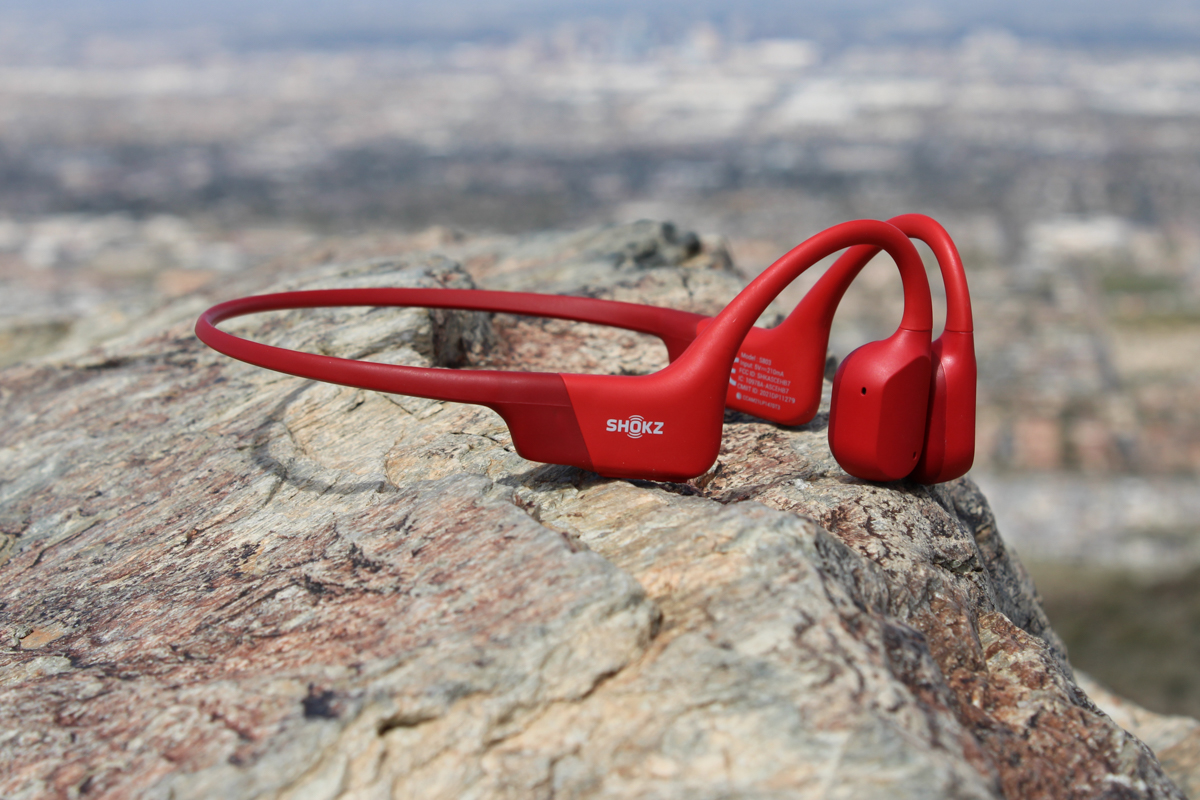
There’s something special about cycling with sound. Whether it’s a podcast that makes a long ride feel shorter, music that keeps your cadence steady, or navigation helping you explore new routes, audio has become part of modern riding culture. But cyclists have always had one major issue with traditional earbuds: the moment you block your ears, you block your awareness — and on the road, awareness is everything.
That’s exactly where Shokz changed the game. Shokz isn’t just another earphone brand chasing louder bass or smaller designs. They built their name around a different philosophy: you should be able to enjoy audio without disconnecting from the world around you. For cyclists, that isn’t a gimmick — it’s a real upgrade in safety, comfort, and confidence.
Most audio brands compete by trying to isolate you from your surroundings. Shokz went the opposite direction. From early on, the brand focused on people who live in motion — runners, cyclists, commuters, and outdoor athletes — where awareness isn’t optional.
Shokz became widely recognised through bone conduction technology, which sounded futuristic when it first hit the mainstream. Instead of pushing sound into your ear canal like traditional earbuds, bone conduction sends vibrations through the cheekbone to your inner ear. The result is clear audio — but the real advantage is what doesn’t happen: your ears aren’t blocked.

Bone conduction sends sound as vibrations through your cheekbones/skull directly to your inner ear, instead of going through your ear canal.
That’s why bone conduction headphones can play audio while your ears stay open — you can still hear traffic, people, and your surroundings.
Air conduction is the normal way most earbuds/headphones work. They send sound as sound waves through the air into your ear canal, where your eardrum picks it up.
This usually gives stronger bass and fuller sound, but it often blocks outside noise (especially with in-ear buds).
For cycling, this is a massive difference, because you can still hear what matters most: traffic, other riders, and the road itself.
Cycling is not like gym training. You’re not riding in a controlled environment — you’re riding in real conditions with real hazards. Shokz fits into cycling because it supports awareness while still giving you the motivation and entertainment of audio.
With Shokz, riders can stay tuned in without being “sealed off” from the world.
Open-ear listening so you can still hear traffic and other riders
More comfortable fit for long rides (especially with helmet straps)
Less “pressure” in the ear compared to traditional in-ear earbuds
Great for navigation, calls, and training cues while riding
Designed for sweat, movement, and outdoor use
Shokz technology is built around the idea of open-ear audio. Instead of the traditional earbud approach that plugs into the ear canal, Shokz aims to keep the ear open while delivering sound in a way that still feels clear and usable outdoors.
This design style has become especially popular among cyclists who want to enjoy music or podcasts without sacrificing situational awareness. It also reduces that uncomfortable “blocked ear” feeling that can make riding feel less natural.
What makes Shokz exciting right now is how the brand is evolving beyond what people first knew them for. Shokz is no longer only about the classic bone conduction headset design. They’ve been pushing forward with new open-ear products, including modern true wireless designs that offer a more traditional earbud feel — but still keep your ears open.
This shift is important because it blends two worlds: the convenience and style of wireless earbuds, and the safety-first awareness cyclists actually need.
Shokz has also improved sound quality significantly. Early bone conduction models impressed people with the concept, but some riders still wanted more depth and fullness — especially when riding fast with wind noise. Newer Shokz products have made big improvements in clarity, bass presence, and outdoor performance, meaning it’s no longer just “safe audio.” It’s safe audio that sounds premium.

Shokz bone conduction works by using small transducers (vibration drivers) that sit just in front of your ears, usually on your cheekbones. Instead of sending sound into your ear canal like normal earbuds, they create gentle vibrations that travel through the bones of your face/skull directly to your inner ear (cochlea). Because your ear canal stays open, you can still hear your surroundings — like traffic, other cyclists, or people talking — while listening to music, calls, or navigation.
Cycling is as much about connection as it is about performance — connection to the road, to your surroundings, to your group ride, and to the rhythm of the day. Shokz fits into that culture perfectly because it doesn’t pull you out of the ride. It adds to it.
You can enjoy your soundtrack without losing touch with reality, and that’s what makes Shokz feel like it was designed specifically for riders.
In a world where most earbuds are designed to block everything out, Shokz stands out by building audio technology that respects the outdoors. For cyclists, that direction makes sense. The best rides aren’t the ones where you disappear into your music — they’re the ones where you stay present, stay safe, and still have the perfect soundtrack.














No comments yet. Be the first to comment!