Shifting gears isn’t just about making pedaling easier or harder—it’s about managing your effort, keeping your cadence steady, and making the bike feel responsive under you. When you shift at the right moment, your legs don’t fatigue as quickly, your heart rate stays under control, and your momentum feels smoother and more natural. The difference between shifting well and shifting poorly can be the difference between a ride that feels effortless and one that drains you far too soon.
A lot of beginners get confused about which gears are “easy” and which are “hard,” so here’s the simplest way to think about it:
Small cogs = Harder gear (heavier, faster)
Great for descending or when you want more speed.
Big cogs = Easier gear (lighter, slower)
Perfect for climbing or when you need less resistance.
These work the opposite way:
Big chainring = Harder gear (more resistance, more speed)
Small chainring = Easier gear (less resistance, better for climbing)
Once you understand this “big = hard, small = easy” logic, shifting starts to make a lot more sense on real rides.

The secret to good shifting lies in anticipation. On flat terrain, most riders settle into a mid-range gear that lets their legs spin freely while maintaining a steady pace. But it’s the transitions—when the road tilts up or drops down—where timing becomes everything.
If a climb is coming, shift down before you hit the incline. Waiting too long forces you to change gears under heavy load, which makes shifting feel rough and puts unnecessary stress on your drivetrain. By shifting early, you maintain a smooth cadence and keep the climb manageable.
On descents, shifting into a harder gear keeps your legs from spinning out and gives you better control as your speed increases. A heavier gear also helps stabilise the bike, making the descent feel more planted and controlled.
Cross-chaining happens when your chain is stretched diagonally across the drivetrain—for example:
Big chainring in the front + biggest cog at the back
Small chainring in the front + smallest cog at the back
This puts unnecessary strain on your chain, wears out your drivetrain faster, and makes your shifting feel rough or noisy.
Try to keep the chain running as straight as possible.
If you're on:
The big front chainring → stay in the middle or smaller cogs at the back
The small front chainring → stay in the middle or bigger cogs at the back
It’s one of the easiest habits to fix and will make your bike run smoother and last longer.
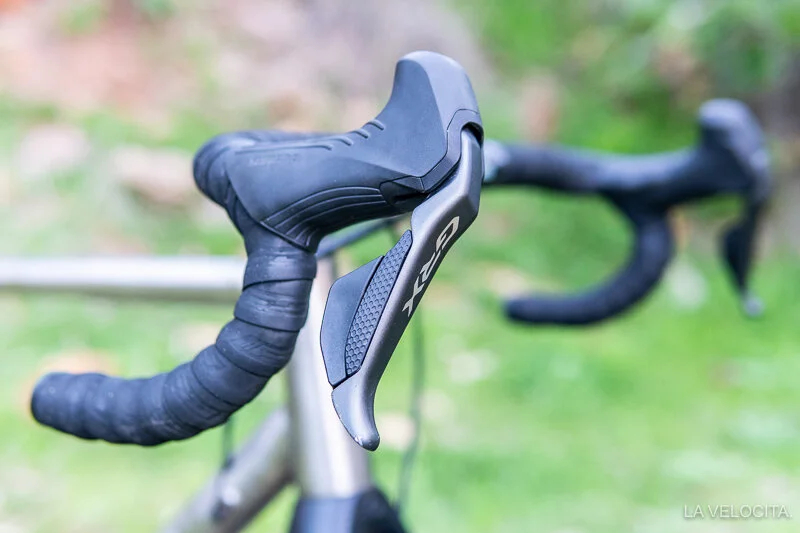
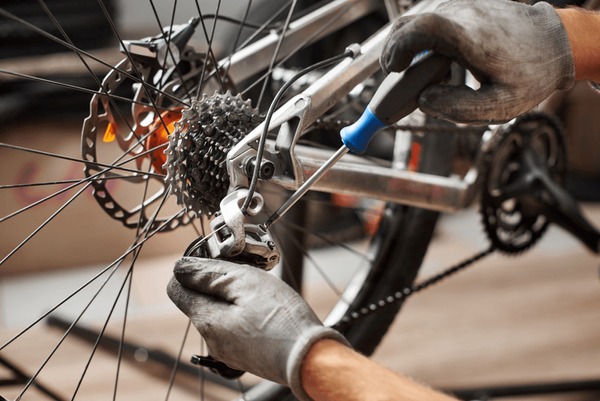
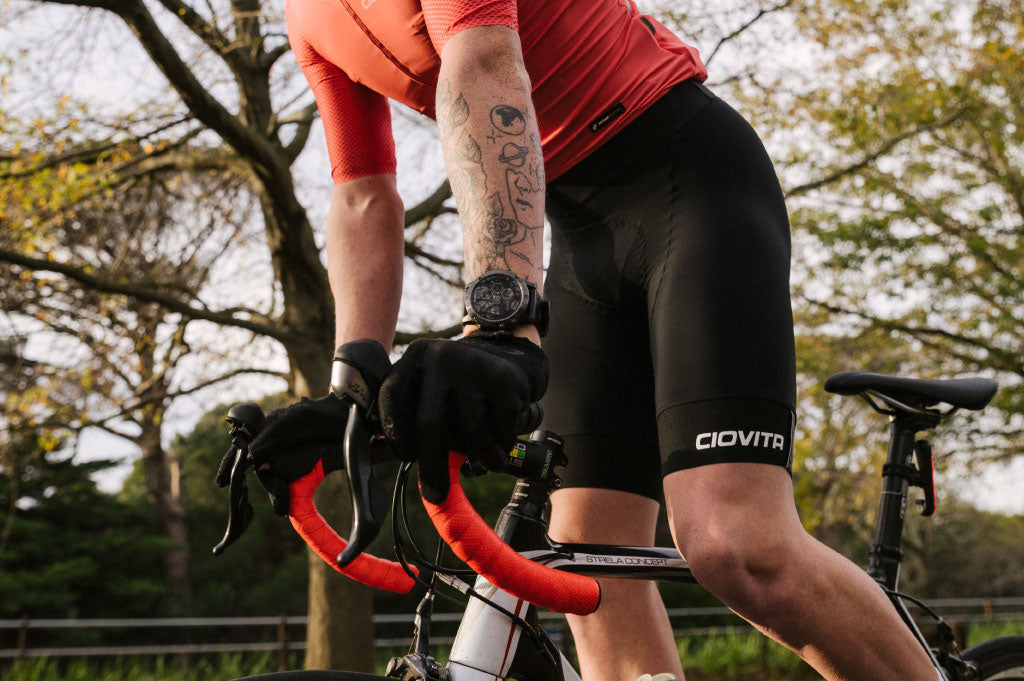
Your shifting experience is heavily influenced by the shifter system your bike uses. Trigger shifters, which are common on mountain bikes, offer fast, crisp changes with minimal effort—perfect for unpredictable trail terrain where you may need to switch gears quickly. Road bikes typically use integrated brake/shift levers that allow gear changes without moving your hands across the bars, giving you precise control at higher speeds or when riding in a bunch.
Each system has its own feel and personality, and once you become familiar with it, shifting starts to feel like second nature.
Shimano has built a reputation for refined, reliable shifters that cater to different riding styles. Two widely loved options stand out:


Cadence should guide your gear choice—not speed. Your speed will constantly rise and fall, but your cadence should stay relatively smooth and consistent. Keeping a steady rhythm reduces muscle strain, improves endurance, and enhances overall comfort.
On technical climbs or loose gravel sections, the right cadence also helps maintain traction. Too slow and the bike stalls; too fast and you waste energy. Finding that balance through proper shifting is one of the most effective ways to ride smarter rather than harder.
With time, shifting becomes something you feel rather than something you think about. You begin to sense the exact moment when your legs need relief or when the bike would benefit from a bit more resistance. You learn how different gears respond under pressure, how quickly your shifters engage, and how subtle timing changes can transform your ride.
This is the point where shifting stops being a mechanical action and becomes part of your rhythm on the bike. When you finally reach that flow, your rides feel smoother, easier, and far more enjoyable.
The best way to master shifting is simple: ride, experiment, and pay attention. Try using different gears for the same hill or stretch of road and notice how your legs and bike respond. Pay attention to your cadence and anticipate terrain changes instead of reacting at the last second. Over time, the right gear choice and smooth shifting will feel instinctive, and every ride will become more efficient, comfortable, and fun. Don’t be afraid to test different shifters and find what feels best for you—once you do, your bike will feel like an extension of your legs.








No comments yet. Be the first to comment!