Whether you’re heading out for a long gravel ride, commuting across town, or prepping for a weekend bikepacking trip, the right bags make every ride smoother. Here’s a quick, no-nonsense breakdown of the four most common bike bags—what they are, what they carry, and why they matter.
Saddlebag
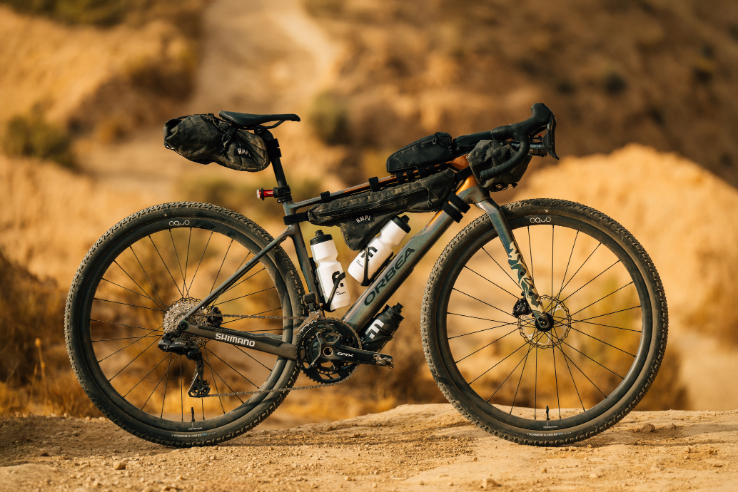
A saddlebag sits right under your seat, attached to the rails or seatpost. It’s compact, out of the way, and perfect for the basics you always want on the bike. What It’s Good For
Spare tube
Tire levers
CO₂ cartridge and inflator
Multitool
Small patch kit
Best Use Cases
Road rides
Commuting
Training loops
Riders who want a simple, permanent setup
A key thing to remember: you can’t access a saddlebag while riding. Load it with the kinds of items you only need when you stop. Pack it tightly so tools don’t rattle. You might not hear it, but the rider behind you definitely will.
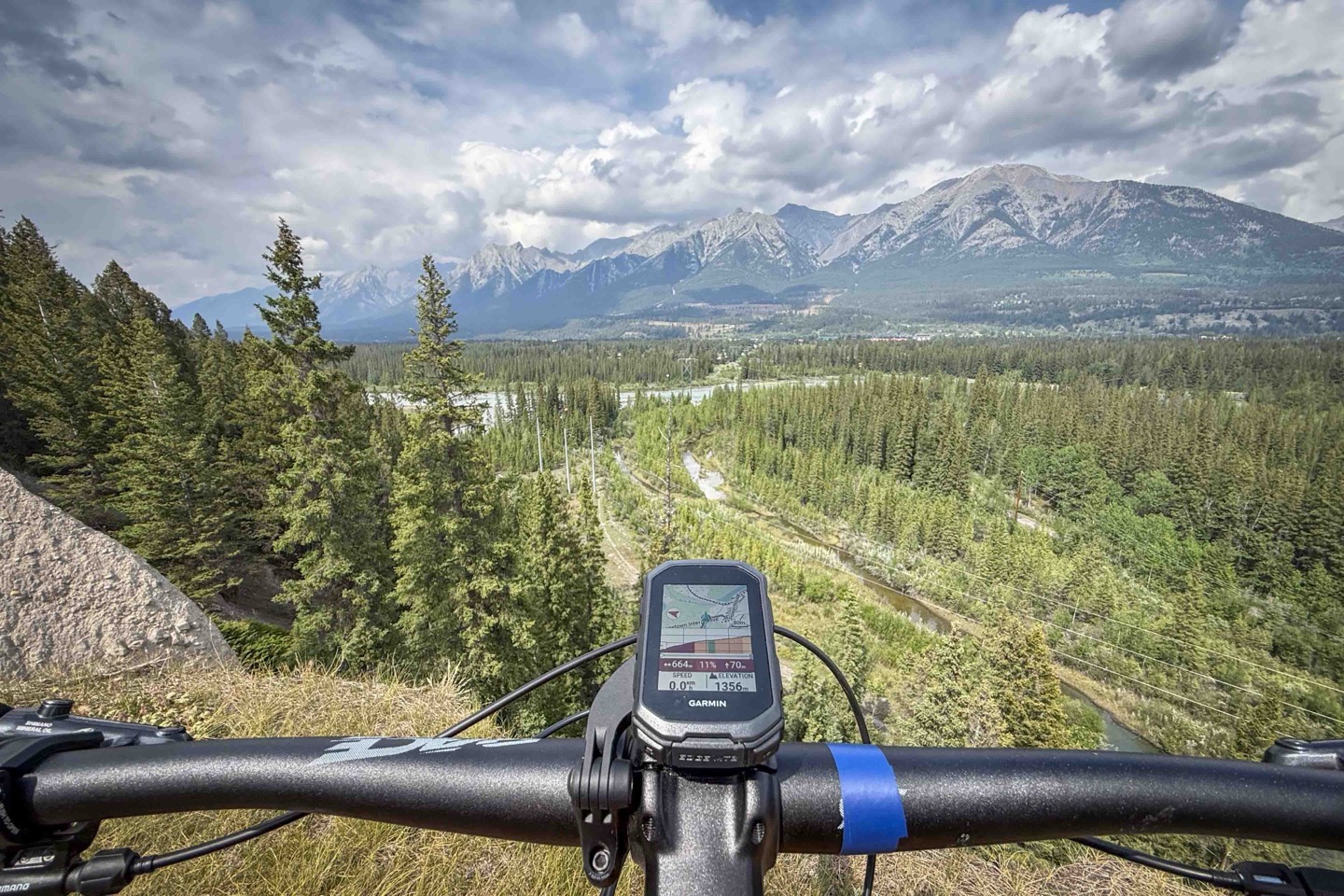
Mounted up front, a handlebar bag gives you fast access to the stuff you use constantly. Modern versions are sleek, stable, and surprisingly roomy. What It’s Good For
Snacks
Gloves or sunglasses
Small cameras
Anything you want within arm’s reach
Best Use Cases
Gravel rides
Touring and bikepacking
Casual rides
If aero gains are your obsession, skip this bag. But for long adventure rides, handlebar bags are gold. They keep your nutrition and gadgets right where you want them without forcing mid-ride stops.
Often called a “fuel tank,” this bag sits behind your stem or along the top tube. It’s one of the most convenient options because it stays stable and isn’t bulky. What It’s Good For
Gels, bars, hydration salts
Phone or battery pack
Keys and wallet
Best Use Cases
Long road rides
Gravel races
Endurance events
It’s the ideal middle ground: small, fast to reach, and great for frequent snacks or electronics without making your cockpit cluttered.
A frame bag sits inside your main triangle and offers the most capacity of any standard bike bag. It keeps weight centered, stable, and balanced. What It’s Good For
Pumps
Tools
Layers
Food
Water bladders
Bulky or heavy items
Best Use Cases
Multi-day bikepacking
Long gravel adventures
Winter riding
Riders who need big storage with zero sway
Wrapping It Up
Choosing the right bike bag setup depends on how far you’re riding, what you’re carrying, and how quickly you need to access your gear. Most riders combine at least two bags to dial in the perfect setup. Start small, add what you need, and build your system around your rides—not the other way around.

No comments yet. Be the first to comment!