If you're new to cycling, tyre pressure might seem like a small detail - but it’s actually one of the biggest factors affecting how your bike feels and performs. The amount of air inside your tyres influences your speed, comfort, grip, and even your risk of getting a puncture. Surprisingly, getting your tyre pressure right can make more difference than expensive upgrades.
Many new riders simply pump their tyres until they feel hard, but that approach often leads to overinflation. Modern cycling knowledge shows that the “perfect” tyre pressure depends on several factors like your weight, tyre size, and the terrain you ride on. Tools like tyre pressure calculators (such as those from Silca) help take the guesswork out by giving personalised recommendations.
Tyre pressure is measured in PSI (pounds per square inch), and it determines how firm or soft your tyres feel. Each tyre has a recommended pressure range printed on its sidewall, and it’s important to stay within that range for safety and performance.
In general, different types of bikes use very different pressures:
Narrow tyres need higher pressure, while wider tyres perform better at lower pressure because they can absorb bumps and provide more grip.
Getting your tyre pressure right affects almost every part of your ride. If your tyres are too hard, your bike will feel fast on smooth roads but harsh and uncomfortable on rough surfaces. On the other hand, if your tyres are too soft, you may experience slow rolling and a higher risk of pinch flats.
Another simple way to know the right tyre pressure is to check the sidewall of your bike tyre. Just like car tyres, most bicycle tyres have the recommended pressure range printed directly on them, usually in PSI or BAR. This gives you a safe starting point, and you can adjust slightly from there based on your weight, terrain, and riding style.

Interestingly, slightly lower pressure often makes you faster in real-world conditions. This is because your tyres can better absorb bumps instead of bouncing over them, which reduces energy loss and improves efficiency.
There’s no single “correct” number when it comes to tyre pressure—it’s all about finding your sweet spot. A good starting point is the middle of your tyre’s recommended range, then adjusting based on how the bike feels.
Here are a few simple tips:
Most riders carry about 60% of their weight on the rear wheel, so it makes sense to run slightly higher pressure there.
This simple table helps new riders quickly find a safe and comfortable tyre pressure based on bike type and rider weight.
| Bike Type | Rider <70 kg | Rider 70–90 kg | Rider >90 kg | Notes |
|---|---|---|---|---|
| Road Bike (Narrow Tyres) | 70–80 PSI | 80–90 PSI | 90–100 PSI | Higher pressure = faster on smooth roads |
| Gravel / Hybrid | 35–40 PSI | 40–45 PSI | 45–50 PSI | Lower pressure improves comfort and grip |
| Mountain Bike (Wide Tyres) | 18–22 PSI | 20–24 PSI | 22–26 PSI | Too high = harsh ride; too low = pinch flats |
| Fat Bike (Extra Wide Tyres) | 5–10 PSI | 8–12 PSI | 10–15 PSI | Lower pressure helps float on sand or snow |
For more experienced cyclists, the “one-size-fits-all” table is just a starting point. Your ideal tyre pressure can vary depending on:
To get the most precise tyre pressure for your bike and riding style, we recommend using a professional tyre pressure calculator. Silca’s Pro Tyre Pressure Calculator lets you input your bike, tyres, and weight to get a personalized recommendation.
Advanced riders often tweak their pressure by a few PSI from the calculator results depending on personal preference, comfort, and ride conditions. Keep experimenting to find your sweet spot — small adjustments can make a big difference in speed, grip, and ride comfort.
One of the biggest mistakes new cyclists make is overinflating their tyres. Higher pressure does not always mean faster—in fact, it can reduce control and comfort. Another mistake is not checking tyre pressure regularly. Tyres naturally lose air over time, so it’s a good habit to check them before every ride or at least once a week.
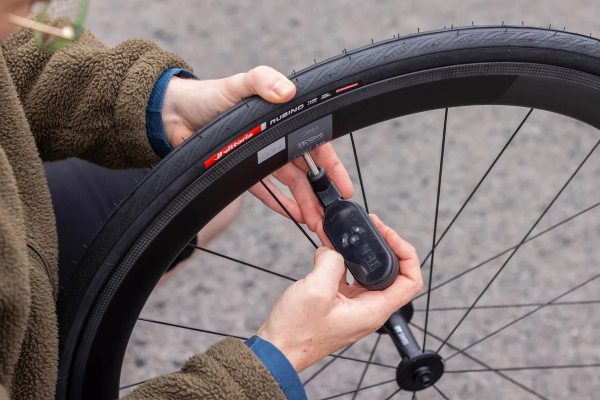
Also, don’t rely completely on pump gauges—they can be inaccurate. If you want precise pressure, consider using a dedicated gauge.
Tyre pressure is one of the simplest ways to improve your cycling experience instantly. It costs nothing to adjust, yet it can make your rides smoother, faster, and more enjoyable. Take a little time to experiment, learn how your bike feels, and you’ll quickly find the pressure that works best for you.
Once you dial it in, you’ll wonder how you ever rode without paying attention to it.








No comments yet. Be the first to comment!