
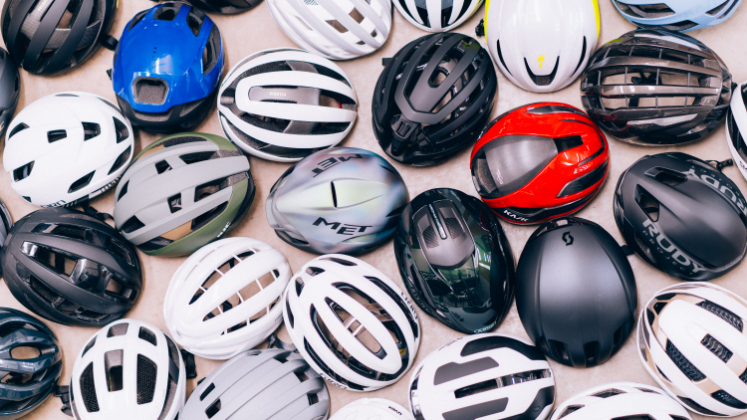
A cycling helmet is one of the most important pieces of gear you’ll ever invest in. While it may look like a simple piece of equipment, modern helmets are highly engineered products designed to balance safety, comfort, ventilation, and performance. The right helmet can significantly improve your riding experience, especially when matched correctly to your riding style.
Road helmets are designed with one primary goal in mind: efficiency over long distances. They are lightweight, highly ventilated, and shaped to minimise aerodynamic drag while keeping airflow consistent over the head. This makes them ideal for endurance rides, road racing, and general fitness cycling. Because road riders often spend extended periods in the saddle, comfort and cooling efficiency are key design priorities.
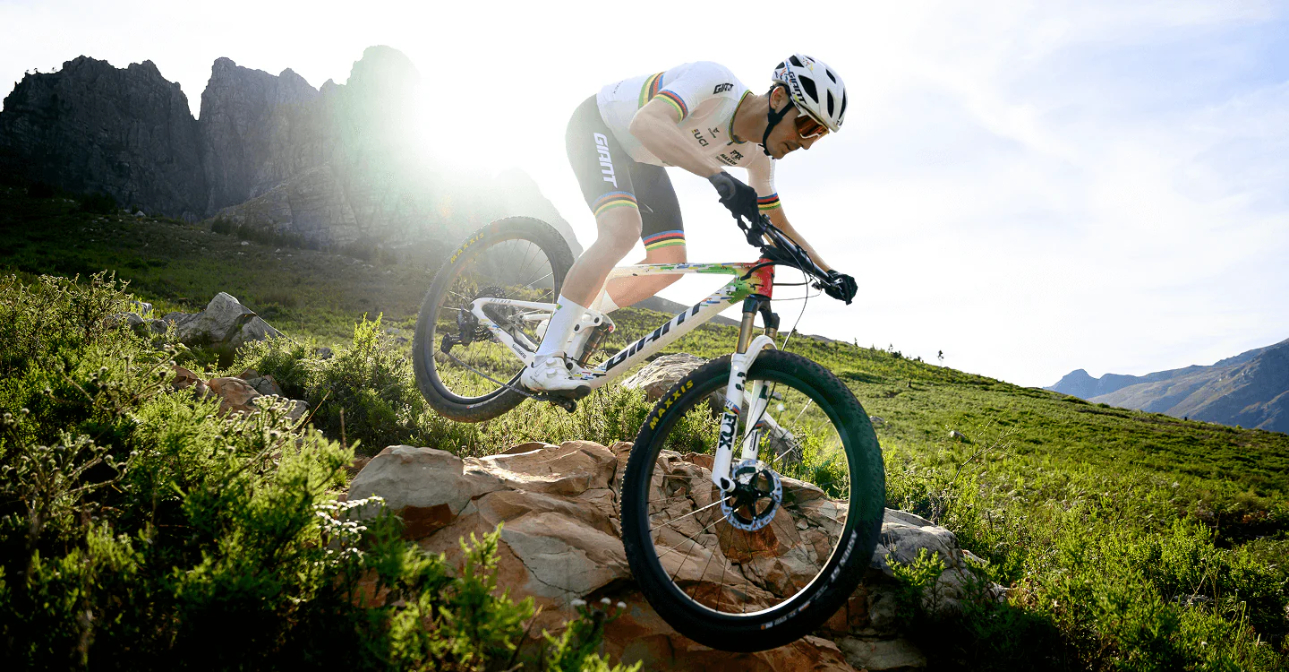
MTB cross-country (XC) helmets sit in a balanced middle ground between protection and performance. They typically offer slightly more coverage at the rear of the head compared to road helmets, as well as a visor to shield against sun, branches, and trail debris. XC helmets are designed for varied terrain where riders may climb for long periods and then descend technical sections. This requires a helmet that remains light and breathable while offering more off-road protection.

Downhill helmets are engineered for maximum protection in high-risk environments. Unlike road and XC helmets, they feature full-face coverage including a chin bar, which protects the jaw and face during high-speed impacts. Ventilation is reduced compared to other helmet types because the focus is on structural integrity and impact resistance. These helmets are commonly used in downhill racing, bike parks, and aggressive gravity riding where crashes can occur at significantly higher speeds.
Time Trial (TT) helmets are designed specifically for one purpose: reducing aerodynamic drag as much as possible. Their smooth, elongated shapes help air flow more efficiently over the rider’s head and upper body, reducing turbulence. Many TT helmets also feature integrated visors to eliminate gaps between goggles and helmet shell. While they offer a clear performance advantage in racing against the clock, they are less practical for everyday riding due to reduced ventilation and heavier heat buildup.
Aero road helmets take some of the aerodynamic benefits of TT helmets and blend them into a more versatile design. These helmets are shaped to reduce drag while still maintaining enough ventilation for group rides and longer training sessions. They have become extremely popular among competitive cyclists because they offer a noticeable speed advantage without sacrificing all-day usability.
Junior helmets are built to provide the same level of safety certification as adult helmets but are scaled down for smaller head sizes and lighter riders. Beyond safety, designers focus heavily on comfort, adjustability, and visibility. Bright colours and reflective elements are often included to improve visibility in traffic, while simple fit systems ensure parents can easily adjust the helmet as a child grows.
Modern helmets include a wide range of technologies, but only a few features truly make a difference in real-world riding. One of the most important is MIPS (Multi-directional Impact Protection System), which is designed to reduce rotational forces during angled impacts. Instead of absorbing impact only in a straight line, MIPS allows a slight rotational movement inside the helmet, which can reduce stress transferred to the brain during a crash.
Ventilation is another critical factor, especially in warmer climates. A well-designed helmet doesn’t just have more vents—it channels airflow through internal air tunnels that actively move heat away from the rider’s head. This becomes especially important on long climbs or hot summer rides where overheating can quickly reduce performance and comfort.
Aerodynamics plays a bigger role as speed increases. At higher riding speeds, air resistance becomes one of the biggest limiting factors in performance. Aero-optimised helmets are shaped to reduce drag and smooth airflow over the rider’s body. While the difference may feel subtle, in racing environments it can translate into meaningful time savings over long distances.
Crash replacement policies are another often-overlooked benefit. Many premium brands offer discounted replacements if a helmet has been involved in a crash, even if there is no visible damage. This encourages riders to replace helmets after impacts, which is important because structural damage is not always visible externally.
Above all else, fit remains the most important factor. A helmet should feel secure without creating pressure points. The retention system should allow precise adjustment so the helmet stays stable during movement but does not feel restrictive. Even the most advanced helmet is ineffective if it does not fit correctly.
MET is widely known for producing race-focused helmets that prioritise aerodynamics without completely sacrificing comfort. Their designs are heavily influenced by professional cycling, meaning they are tested in real racing conditions. MET helmets tend to offer a strong balance between airflow and speed, making them a popular choice among competitive road cyclists.
Lazer helmets are built around innovation in safety and weight reduction. Their KinetiCore technology integrates rotational impact protection directly into the helmet shell, eliminating the need for separate inserts. This results in lighter helmets with improved airflow and a more natural fit on the head.
Giro is known for combining premium comfort with advanced safety systems. Their Spherical technology uses a ball-and-socket design that allows the helmet to manage rotational forces more effectively. Giro helmets are also well-known for their fit quality, making them a favourite among riders who spend long hours in the saddle.
Marvel helmets are designed for riders who need basic protection without unnecessary complexity. They focus on essential safety standards and straightforward design, making them a practical choice for beginners or casual cyclists.
Scott helmets are known for offering excellent value in the mid-range category. Many of their models include advanced safety features such as MIPS, while still maintaining good ventilation and comfortable fit systems. They are well-suited to both road and mountain biking.
Even at entry-level pricing, Lazer continues to prioritise safety and comfort. Their helmets are designed with simple, effective fit systems and lightweight shells that make them ideal for new riders or those looking for reliable everyday use.
Choosing the right helmet is about matching protection, comfort, and performance to your riding style. Road riders should prioritise ventilation and aerodynamics, mountain bikers should focus on coverage and durability, while competitive riders may benefit from aero-focused designs.
Ultimately, the best helmet is the one that fits correctly and gets worn on every ride.













No comments yet. Be the first to comment!